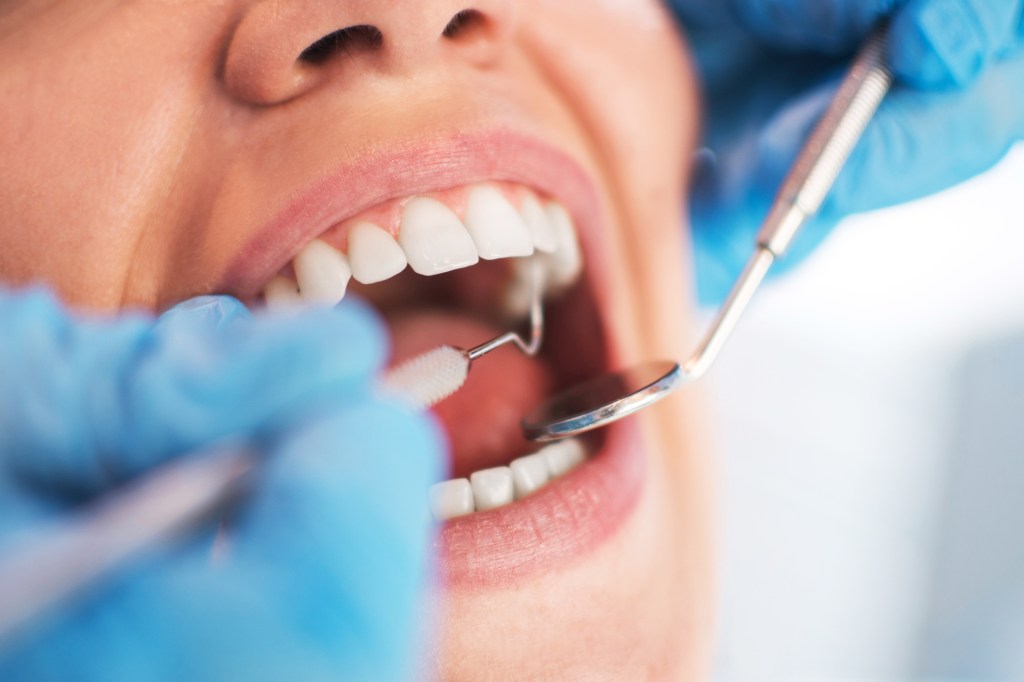
Your mouth is home to various types of naturally occurring bacteria, which can form different types of biofilms on different surfaces of your oral cavity. Some types of biofilms are formed on the tooth. Without some particular types of bacteria, you may not even survive.
What are biofilms?
You may think of bacteria as a group of bad microorganisms, but the fact of the matter is that some of these are highly beneficial, and maybe crucial, for your overall health. The reason for using the term biofilm is to suggest the habit of bacteria to live in organized and complex groups. The formation of these groups helps them survive and grow within a friendlier environment.
Fortunately, most biofilms are harmless. Some, however, may tend to behave a bit aggressively.
The good and bad bacteria
There will always be bacteria present in your mouth. You have to make sure to prevent the ones that tend to be harmful. Harmful bacteria can invade your teeth to cause many different dental issues, including tooth decay and gum disease. You may have heard about chronic inflammation of gums. The most commonly used terms for such a condition are gingivitis and periodontitis. Both these conditions are caused by harmful bacteria in the mouth.
Similarly, tooth decay is also a condition that occurs due to contact between tooth enamel and harmful bacteria. This condition occurs due to the release of acid by harmful bacteria.
Good bacteria, on the other hand, tend to reverse the effect of harmful bacteria. These bacteria can help you regain control of your oral cavity.
The concept of probiotics
Probiotics refer to medicines and supplements that tend to enhance the production or increase the number of good bacteria in your mouth and entire gut. The presence of more good bacteria in your mouth and gut help you overpower harmful bacteria, preventing them from doing any harm to your body and health. Harmful bacteria can cause several problems and infections in the mouth and gut.
Staying on top of your oral hygiene
If you want to have a biofilm of just healthy bacteria in your mouth, you will have to make sure to maintain good oral hygiene. The first and foremost requirement here is to brush your teeth properly. Brushing your teeth for full two minutes can wash away any harmful bacteria and their acids. Another equally important oral hygiene practice is to floss. Flossing helps clean interdental spaces, which are generally unapproachable for the bristles of a toothbrush. For additional protection, you may want to use an antimicrobial mouthwash, which is specifically effective in removing harmful bacteria.
Oral hygiene also includes what you eat. If you eat more sugary and starchy foods, you may end up having a lot of sugar and carbohydrate leftovers in your mouth. Limiting the intake of such foods and drinking plenty of water can help you remain safe.
Finally, you need to make sure to visit your dentist biannually. A visit every six months to your dentist can help you prevent oral health problems.
 Healthy Cavity